Unlocking Imagination: The Rise of Creative Open World Games in Gaming Culture
In recent years, the landscape of gaming has transformed significantly, particularly with the advent of creative open-world games. These games not only offer a sprawling environment to explore but also empower players to express their creativity in unprecedented ways. This article delves into the evolution of this genre and its impact on gaming culture.
The Emergence of Open World Games
Open world games have become a mainstay in the gaming industry. They provide players with vast and immersive environments, allowing them to engage in exploration and adventure. Unlike linear games, where progression is tightly controlled, open-world titles like Grand Theft Auto V and The Legend of Zelda: Breath of the Wild encourage players to carve their own paths.
Creative Freedom: A New Era of Gameplay
What sets these games apart is the creative freedom they offer. Players can shape their experiences and engage within the game world in ways that were previously unimaginable. This level of involvement enhances player satisfaction and encourages a deeper connection with the game.
The Hybridization of Genres
This innovative genre has blurred the lines between different gaming categories. For instance, combining elements of action, strategy, and storytelling allows players to engage with the game on various levels. This cross-pollination of genres creates a dynamic and engaging atmosphere.
Interactive Storytelling: The Crash-Reboot Game Story
One compelling feature of many open-world games is their ability to deliver a crash-reboot story. In these stories, player choices can lead to entirely different outcomes. The narrative is not static but evolves based on the decisions made throughout the gameplay. This is particularly visible in games like The Witcher 3, where player choices directly influence the storyline and character arcs.
Key Features of Creative Open World Games
- Expansive Environments: Players are granted access to extensive landscapes that encourage exploration and discovery.
- Player Agency: The ability to affect the game world and narrative through decisions enhances immersion.
- Creative Tools: Games like Minecraft and Roblox offer tools that let players build and create their own experiences.
- Community Engagement: Many games foster a sense of community through multiplayer interactions and user-generated content.
Imagery and Symbolism in Game Design
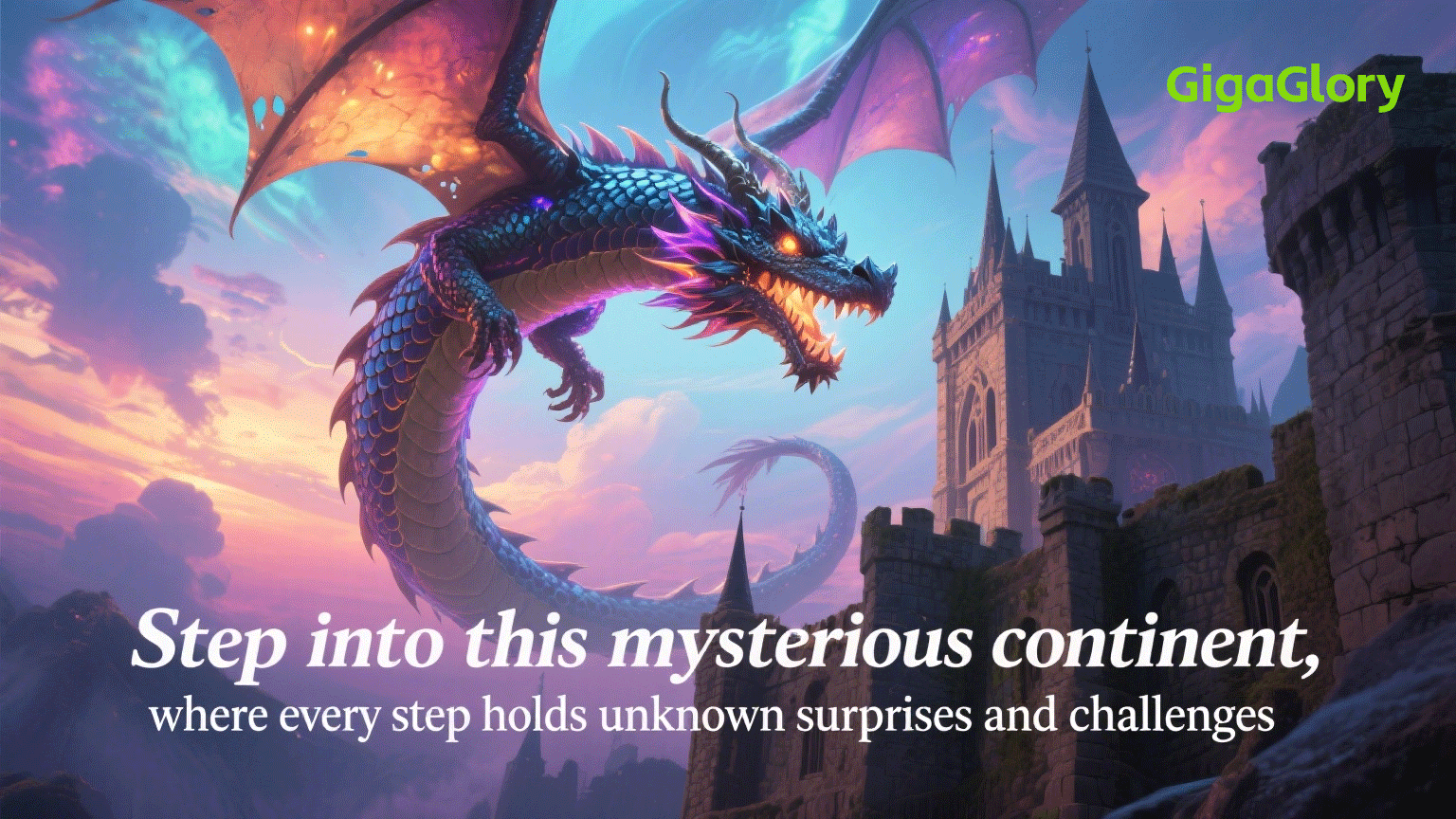
Visual aesthetics play a crucial role in the immersive quality of open-world games. The use of imagery and symbolism enhances the narrative experience by providing visual cues that can intensify emotional responses. Developers are focusing on creating rich, detailed worlds that engage players and provoke thought.
Popular Examples of Creative Open World Games
| Game Title | Key Features | Platforms |
|---|---|---|
| Grand Theft Auto V | Expansive city, freedom of choice | PC, PS4, Xbox One |
| The Legend of Zelda: Breath of the Wild | Exploration, puzzle-solving | Nintendo Switch |
| Minecraft | Creative building, multiplayer | PC, console, mobile |
| Red Dead Redemption II | Rich storytelling, historical setting | PC, PS4, Xbox One |
Player Communities and Their Innovations
Player communities form an integral part of the open-world gaming ecosystem. Through forums, social media, and streaming platforms, players share their experiences and creations. This collaborative spirit not only spreads enthusiasm but also gives rise to numerous innovations within the gaming world.
The Future of Creative Open World Games
The future of these games looks promising, as developers continue to push boundaries by integrating advanced technologies such as artificial intelligence and augmented reality. These advancements will further enrich the gaming experience, ensuring that creative possibilities remain limitless.
The Role of Marketing and Community Feedback
As the industry evolves, marketing strategies must also adapt. Engaging with the community through feedback and iterative design processes can help developers create better experiences tailored to player preferences. This collaboration can lead to more fulfilling and innovative gaming experiences.
Conclusion
In essence, the rise of creative open-world games marks a significant evolution in gaming culture. These games offer unparalleled freedom and creativity, transforming how players interact with digital worlds. As we continue to unlock new facets of imagination through gaming, one can't help but wonder — what's next in this ever-expanding universe?